
Bidets: cleaner, sustainable, more inclusive
1. Toilet paper production is water intensive


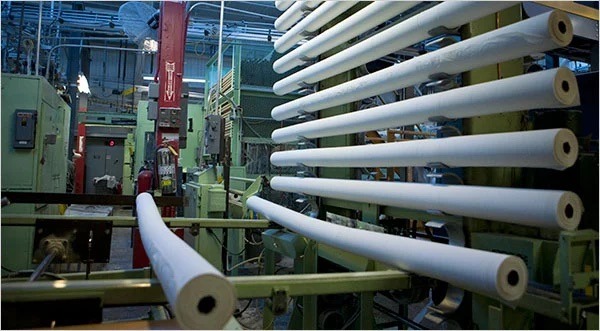
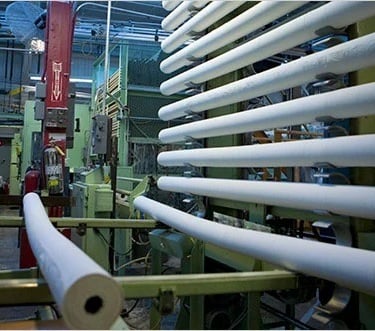
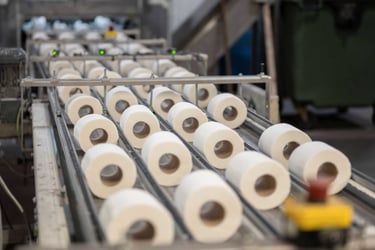
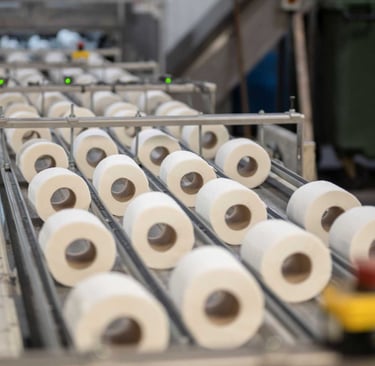
Multiple sources cite that it takes ~36–37 gallons of water to produce a single roll of toilet paper. By contrast, a bidet uses ~1/8 gallon (~0.5 L) per use—a trivial amount compared to the water used to manufacture toilet paper.
While bidet use requires a small amount of water per wash (~0.1–0.2 gallons), it offsets far greater water consumption upstream in toilet paper manufacturing — making the overall impact highly water-efficient.
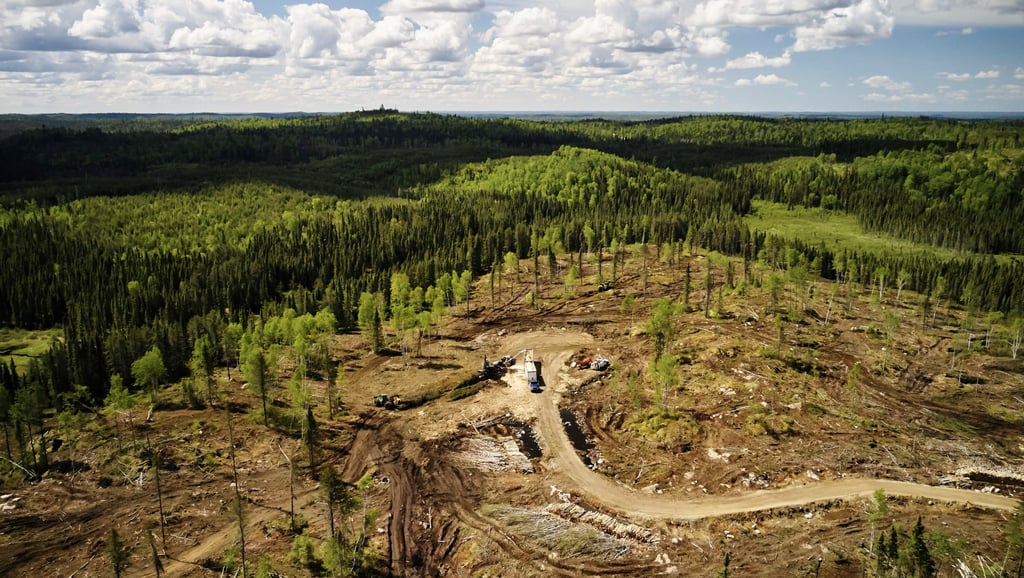
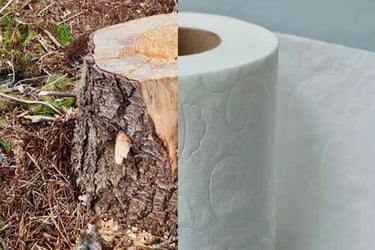
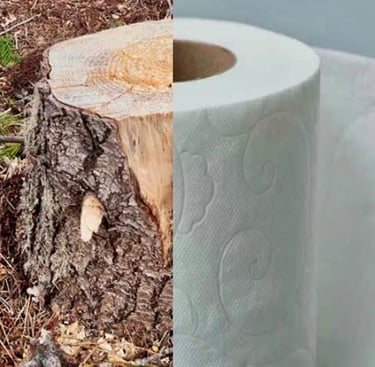
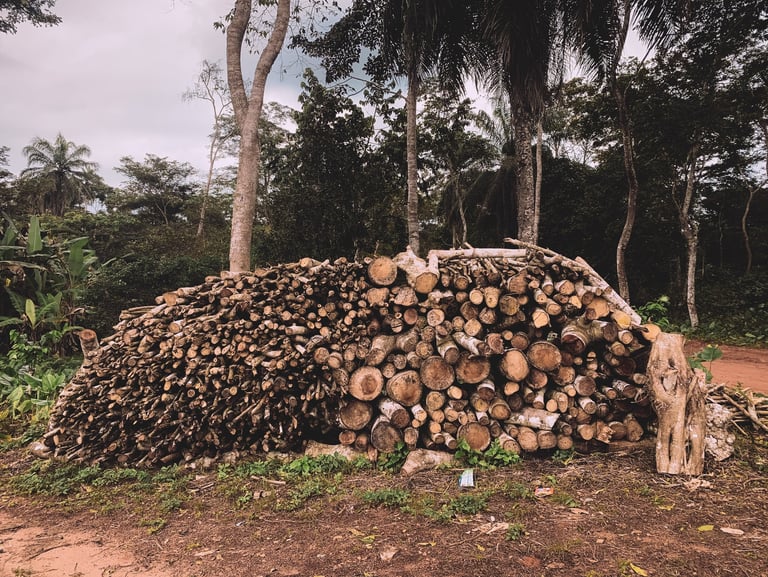
2. Toilet paper production contributes to deforestration
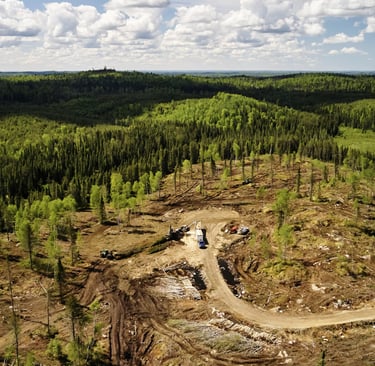
Conventional toilet paper in North America is still heavily sourced from primary boreal forests, contributing to habitat loss (e.g., boreal caribou) and large, often undercounted carbon emissions from logging and processing. NRDC’s Issue with Tissue reports and scorecards document brand sourcing and the climate/forest risks.
The David Suzuki Foundation summarizes this “tree-to-toilet” supply chain, emphasizing that U.S. demand for virgin-fiber toilet paper is a major driver of boreal forest degradation. Reducing reliance on virgin pulp through bidet adoption helps conserve forest ecosystems and lower the industry’s environmental footprint.
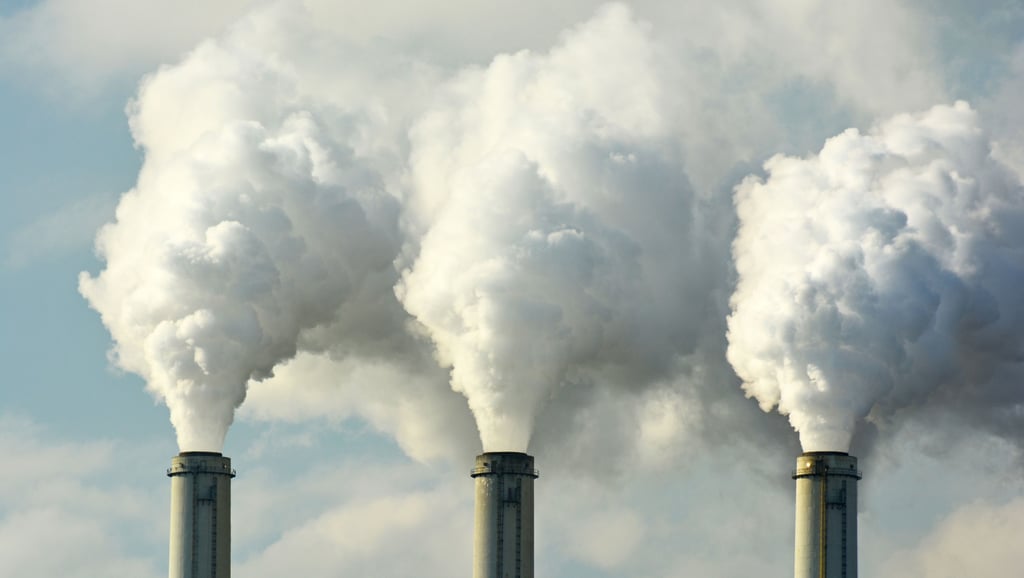
3. Toilet paper production contributes to global warming
Life-cycle assessments (LCAs) consistently find lower overall environmental impacts for bidet-based hygiene compared with TP-only hygiene when reduced TP use is accounted for (climate, human health, resources, ecosystems). A recent LCA comparison concludes bidets dominate across categories.
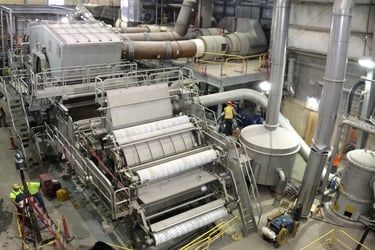
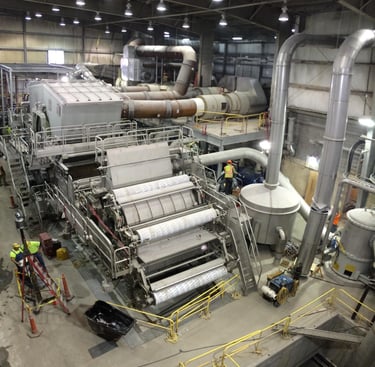
In contrast to the energy-intensive processes behind TP— mechanical bidets shift hygiene-related resource use toward a low-energy, low-carbon system that operate entirely on existing water pressure with no reliance on electricity.
How toilet paper is made
